Author:
The Golden Ratio is a mathematical proportion that has long appeared in art, design, and discussions of facial aesthetics. In contemporary practice, it can serve as one visual reference among many—not a universal beauty standard or a formula for deciding how someone should look.
For aesthetic practitioners, AI-supported face-ratio analysis can help structure conversations about facial proportions, individual preferences, and natural-looking enhancement goals. The most responsible use of this information begins with the client’s own priorities and professional clinical judgment.
Some images in this article may be AI-generated and are used for illustrative purposes only.
The Golden Ratio in Facial Aesthetics
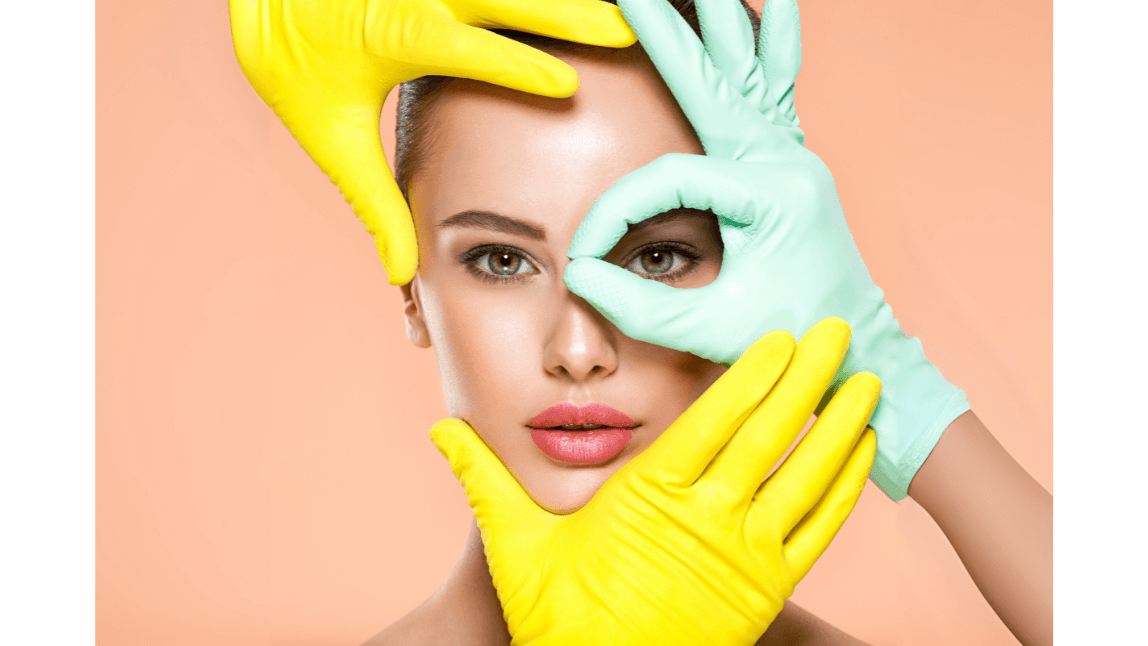
The Golden Ratio is a mathematical relationship found in many natural and designed forms. It has also been used historically as a reference point in artistic composition and facial-proportion discussions.
Facial aesthetics cannot be reduced to one ratio. Facial structure, age, ethnicity, gender expression, cultural context, skin quality, facial movement, and personal preference all shape how a person experiences their appearance. A proportion reference should therefore inform a conversation—not dictate an outcome.
For a broader overview of AI adoption, virtual consultations, and facial-esthetics technology trends, read our guide to the role of AI in facial esthetics.
What Natural Enhancement Means in Practice
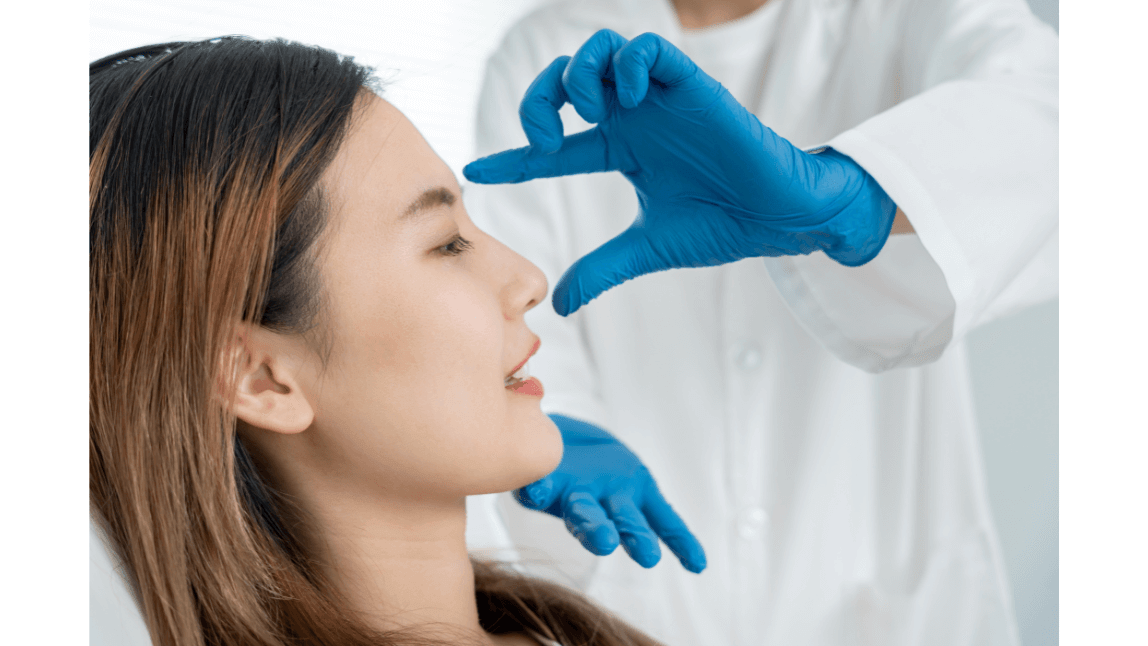
Natural enhancement is not a fixed visual result. In practice, it means establishing a treatment conversation around the client’s stated goals, maintaining respect for their recognizable features, and considering changes in the context of the whole face rather than one isolated measurement.
A proportion-led consultation can help a practitioner and client discuss questions such as:
- Which features does the client want to preserve or emphasize?
- What degree of visible change feels comfortable and appropriate to the client?
- How might a proposed approach relate to the client’s overall facial proportions?
- What are the limitations, alternatives, risks, and expected recovery considerations?
The goal is not to bring every feature closer to a mathematical target. It is to support informed, preference-led decisions that are appropriate to the client and the practitioner’s professional standards.
How AI Supports Face-Ratio Analysis
AI face-ratio analysis can identify and visualize facial landmarks and proportion relationships from a client-provided image. This may help practitioners organize observations, introduce proportion concepts in accessible language, and create a clearer starting point for consultation.
Perfect Corp.’s AI Face Analyzer includes face-ratio analysis that evaluates facial thirds, fifths, symmetry, and other visible proportion relationships. These outputs can be used as visual reference material alongside professional assessment and a client’s stated goals.
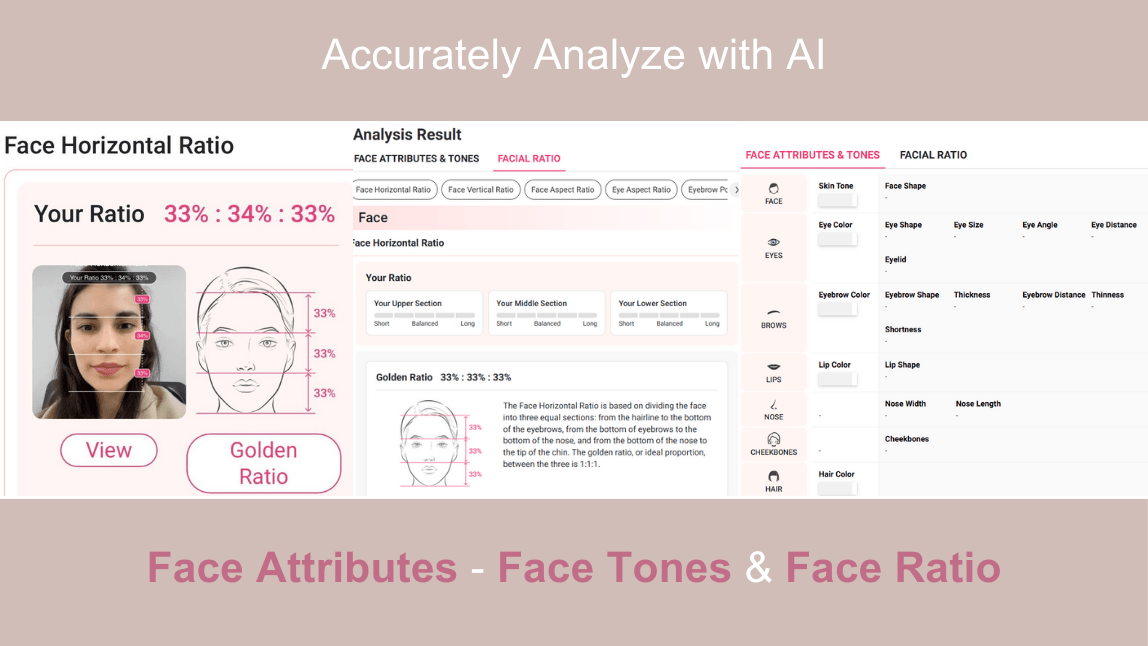
Image-based analysis has limits. Lighting, camera angle, facial expression, image quality, hair, makeup, and image capture conditions can influence what is visible. AI output should not be used as a diagnosis, a guarantee of treatment results, or a substitute for an in-person professional assessment.
A Responsible Consultation Workflow
A structured workflow can help aesthetic practices use facial-proportion technology responsibly while keeping the client at the center of the conversation.
- Start with the client’s goals. Ask what the client hopes to explore, rather than beginning with a score, ratio, or perceived issue.
- Capture images consistently. Use clear guidance on lighting, head position, expression, and image consent before analysis.
- Review proportion information together. Explain outputs as visual reference points, not requirements or judgments.
- Apply professional assessment. Consider anatomy, health history, facial movement, treatment suitability, and the practitioner’s scope of practice.
- Discuss options and limitations. Review alternatives, risks, expected outcomes, recovery, cost, and the option to take no action.
Applications for Aesthetic Practices
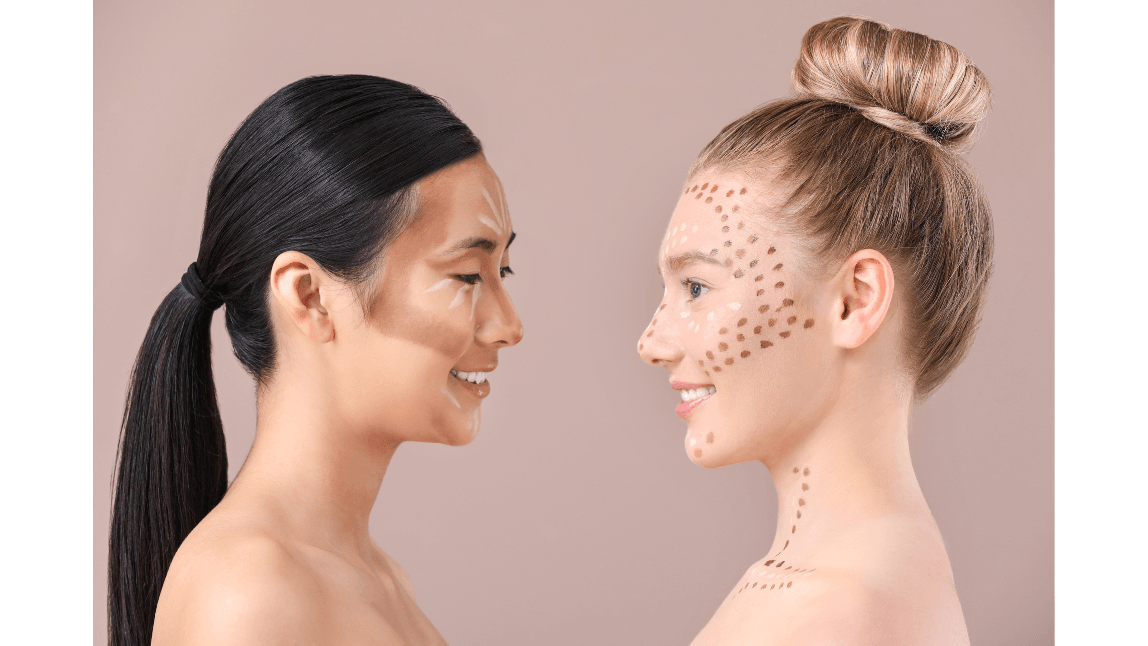
Facial proportion analysis can support several consultation-stage activities, depending on the services offered and applicable professional standards.
- Education: Help clients understand visible facial-proportion concepts in plain language.
- Shared planning: Create a visual reference for discussing the client’s preferences and treatment priorities.
- Makeup and styling exploration: Pair analysis with virtual try-on for temporary, preference-led beauty looks.
- Documentation support: Use consistent image capture and consent processes where permitted and appropriate.
Technology should support—not replace—the relationship between a qualified practitioner and client. Any medical or aesthetic procedure must be evaluated and performed by appropriately qualified professionals in accordance with local laws, standards, and product instructions.
Responsible Use and Client Communication
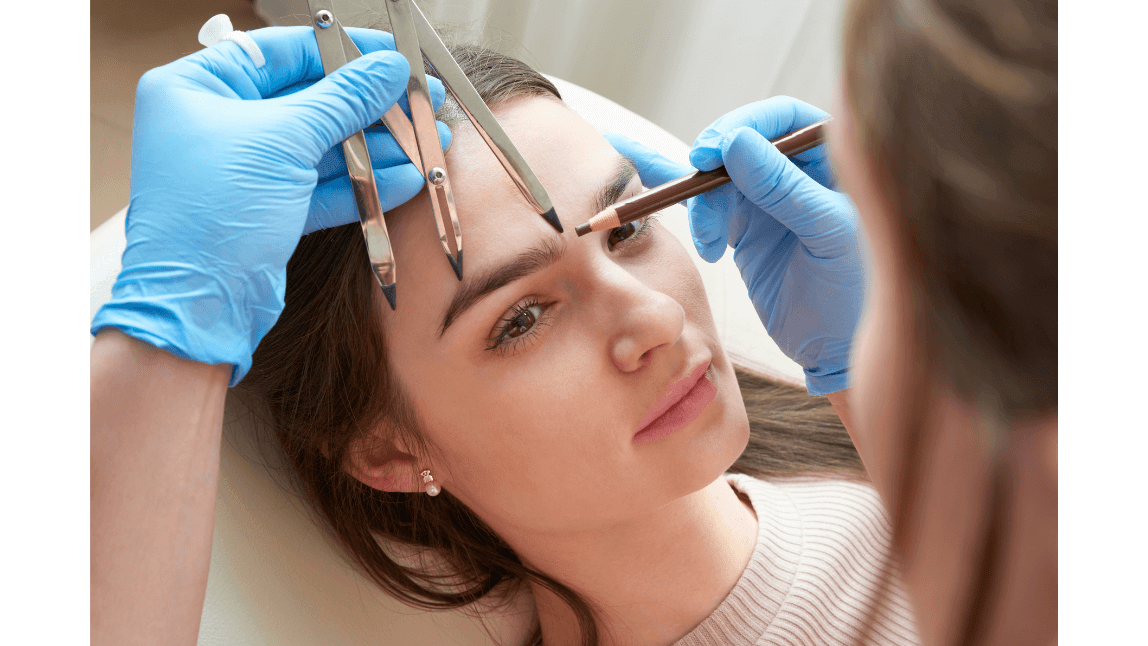
When using AI-supported face analysis, clear communication matters as much as the technology itself. Clients should understand why an image is being captured, how it will be used, what an analysis can and cannot show, and how their data is handled.
- Use non-judgmental, client-first language.
- Do not present facial ratios as universal standards of beauty.
- Obtain appropriate consent before collecting or processing facial images.
- Set realistic expectations and avoid promises about treatment outcomes.
- Keep clinical judgment and client choice central to every recommendation.
To explore how face-ratio analysis can fit within your consultation experience, visit Perfect Corp.’s AI Face Analyzer or contact our team.
Frequently Asked Questions
What is the Golden Ratio in facial aesthetics?
The Golden Ratio is a mathematical proportion that has historically been referenced in art, design, and facial-aesthetics discussions. It can be used as one visual reference for facial proportions, but it is not a universal beauty standard or a substitute for individualized professional assessment.
Can AI use the Golden Ratio to plan aesthetic treatments?
AI can visualize facial landmarks and proportion relationships, including Golden Ratio-inspired references. It can support a consultation, but treatment planning must rely on qualified professional judgment, informed client choice, anatomy, safety considerations, and local standards.
How does face-ratio analysis support natural enhancement?
Face-ratio analysis can provide a shared visual reference for discussing facial proportions and client preferences. Natural enhancement should focus on the client’s own goals and recognizable features rather than trying to achieve a universal ratio.
What should practitioners explain before using AI facial analysis?
Practitioners should explain the purpose and limits of the analysis, obtain appropriate consent for image use, describe relevant privacy practices, and clarify that AI output is not a diagnosis or a guarantee of any treatment result.
Where can I learn about broader AI trends in facial esthetics?
Read our guide to the role of AI in facial esthetics for a broader look at AI applications, virtual consultations, and business trends.