 Author: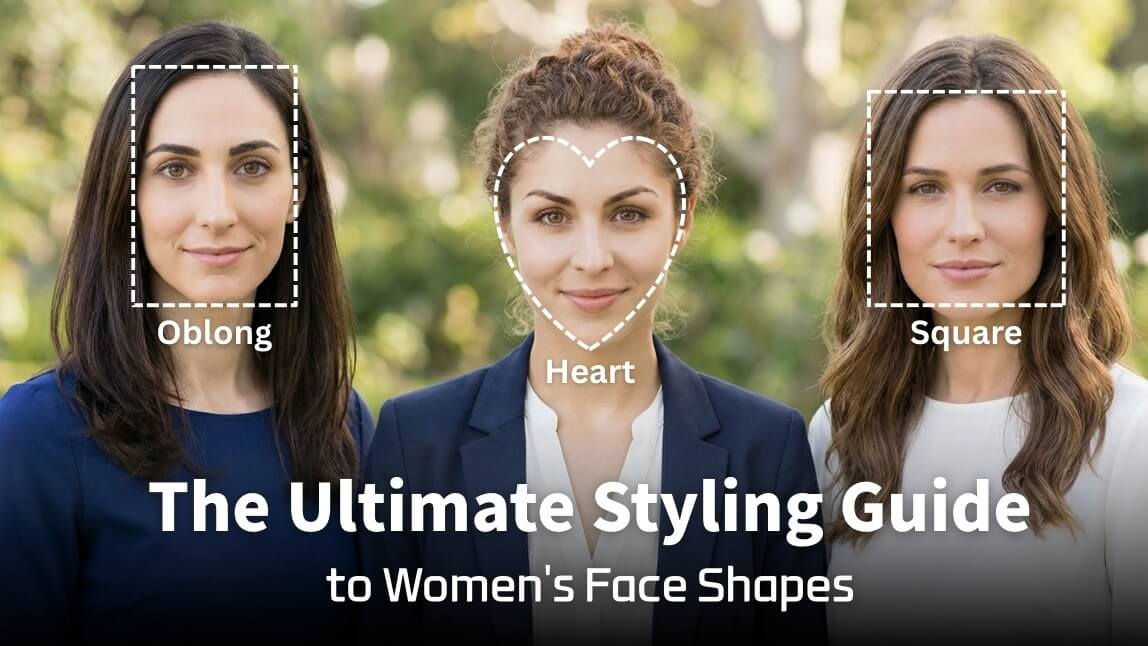
There are seven standard face shapes — oval, round, square, heart, diamond, oblong, and triangle — defined by the ratio of forehead, cheekbone, and jawline width to face length. Identifying yours takes seconds with an AI face shape detector; the real payoff is in what you do next: the hairstyles, glasses, and makeup techniques that work with your proportions instead of against them.
This guide breaks down the seven primary face shapes and provides the ultimate styling playbook for each.
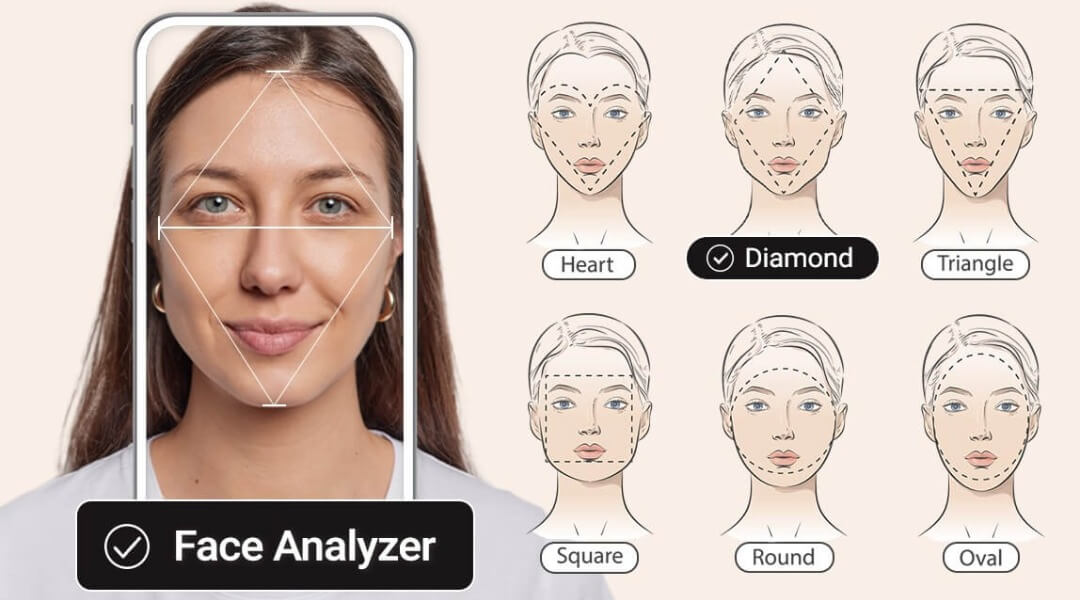
Table of Contents
- Step 1: Determining the Face Shape
- Step 2: The Styling Playbook by Face Shapes
- Step 3: Finding the Perfect Look Effortlessly with AI Tool
- Conclusion
Step 1: Determining the Face Shape
The fastest way to identify your shape: pull your hair back, look straight into the camera, and let an AI face shape detector measure the ratios for you. For a full walkthrough of how that works (and how it compares to eyeballing it yourself), see Perfect Corp.'s face shape test guide.
Step 2: The Styling Playbook by Face Shapes
Oval
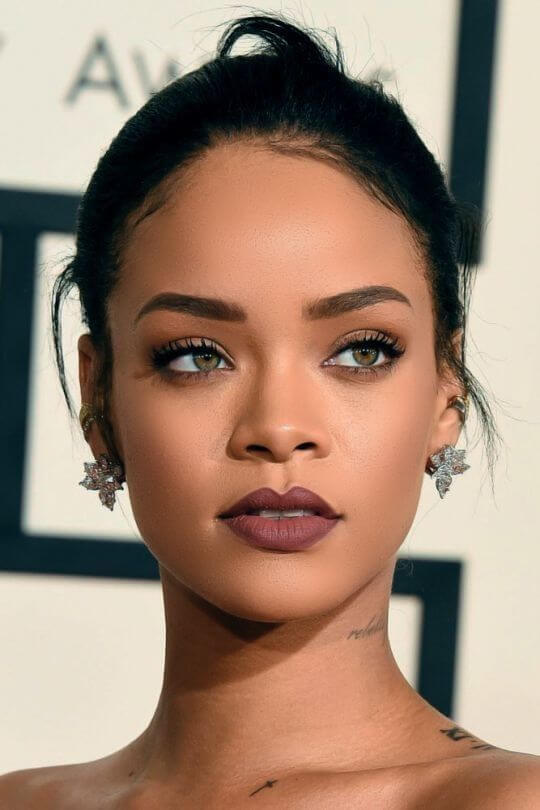
- Characteristics: Balanced proportions; the face is slightly longer than it is wide; the jawline is curved and slightly narrower than the forehead.
- Hairstyles: Blunt bobs, long waves, or slicked-back ponytails all work.
- Glasses: Geometric shapes (square, rectangular). Aviators and cat-eyes are also flattering.
- Makeup: Follow the natural bone structure. Place blush on the apples of the cheeks and blend up toward the temples.
Round
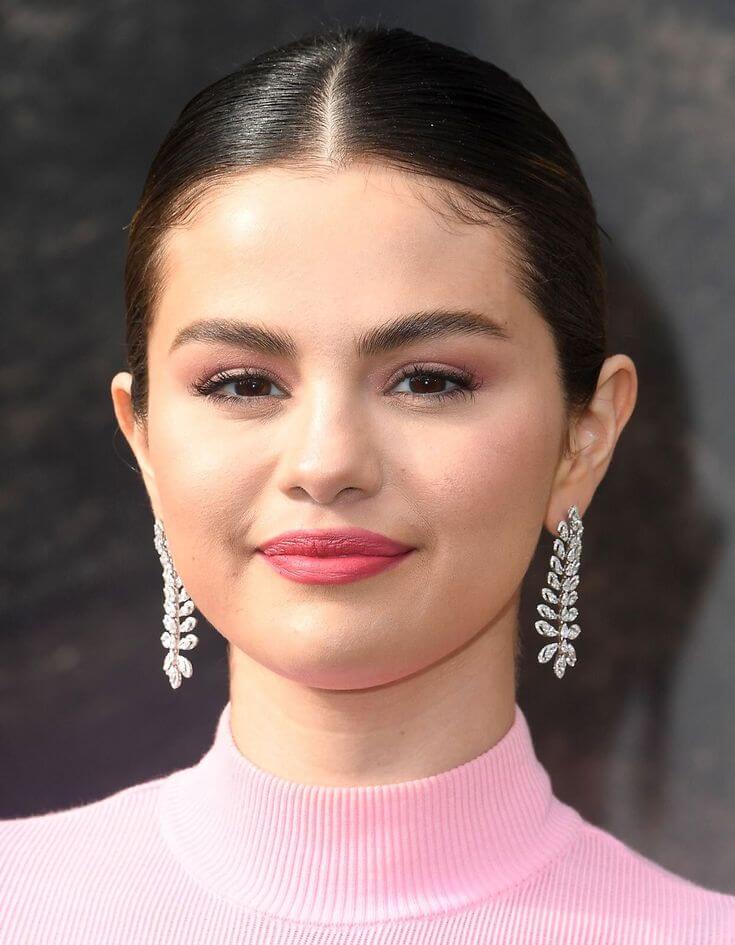
- Characteristics: Width and length are roughly equal; soft, curved jawline; no sharp angles.
- Hairstyles: Long layers, textured lobs (long bobs), or high ponies to add height.
- Glasses: Angular frames (square, rectangular) .
- Makeup: Contour the hollows of the cheeks, temples, and jawline to create shadows. Highlight the center of the forehead and chin to draw the eye vertically.
Square
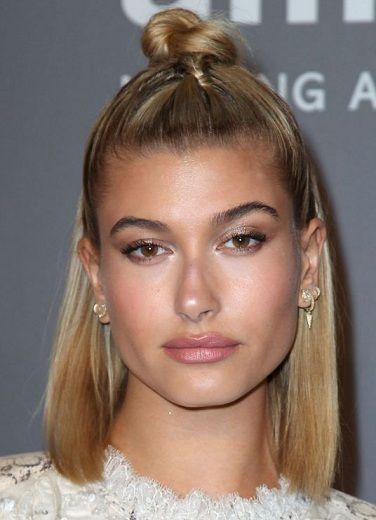
- Characteristics: Strong, sharp jawline; forehead, cheekbones, and jaw are roughly the same width.
- Hairstyles: Soft, wispy bangs, side parts, and long waves.
- Glasses: Round or oval frames to contrast the angular jaw. Thin, metal frames work well.
- Makeup: Soften the jaw by contouring the outer corners. Apply blush slightly lower on the cheekbones to break up the strong vertical lines.
Heart
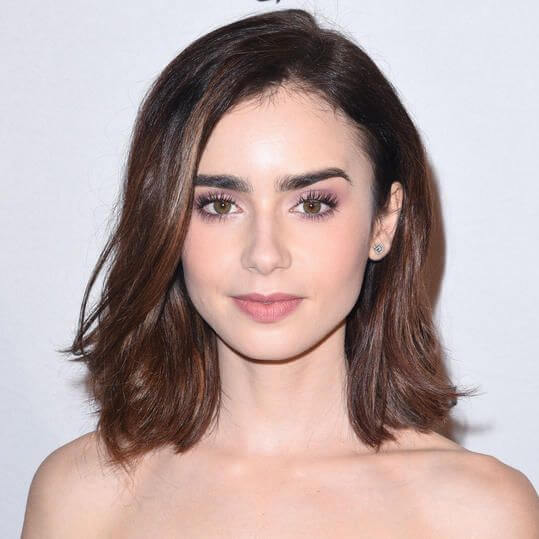
- Characteristics: Wide forehead; high cheekbones; narrow, pointed chin (sometimes a widow's peak).
- Hairstyles: Chin-length bobs, side-swept bangs to minimize forehead width, or deep side parts.
- Glasses: Bottom-heavy frames (like aviators) or light-colored frames to widen the lower face.
- Makeup: Contour the temples and sides of the forehead. Highlight the jawline to make it appear slightly wider.
Diamond
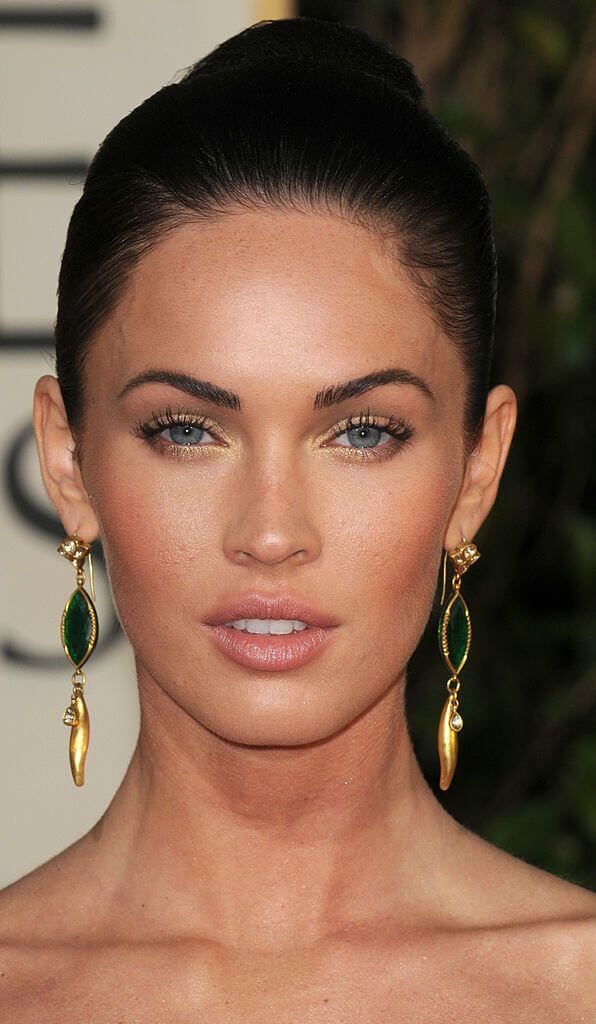
- Characteristics: Narrow forehead and narrow chin; wide, high cheekbones.
- Hairstyles: Chin-length cuts or shoulder-length styles with flipped-out ends to add width to the chin.
- Glasses: Cat-eye glasses or oval frames with a strong brow line to accentuate the eyes, not the cheek width.
- Makeup: Highlight the forehead and chin to visually broaden them. Keep contour on the cheekbones minimal to avoid over-sharpening.
Oblong
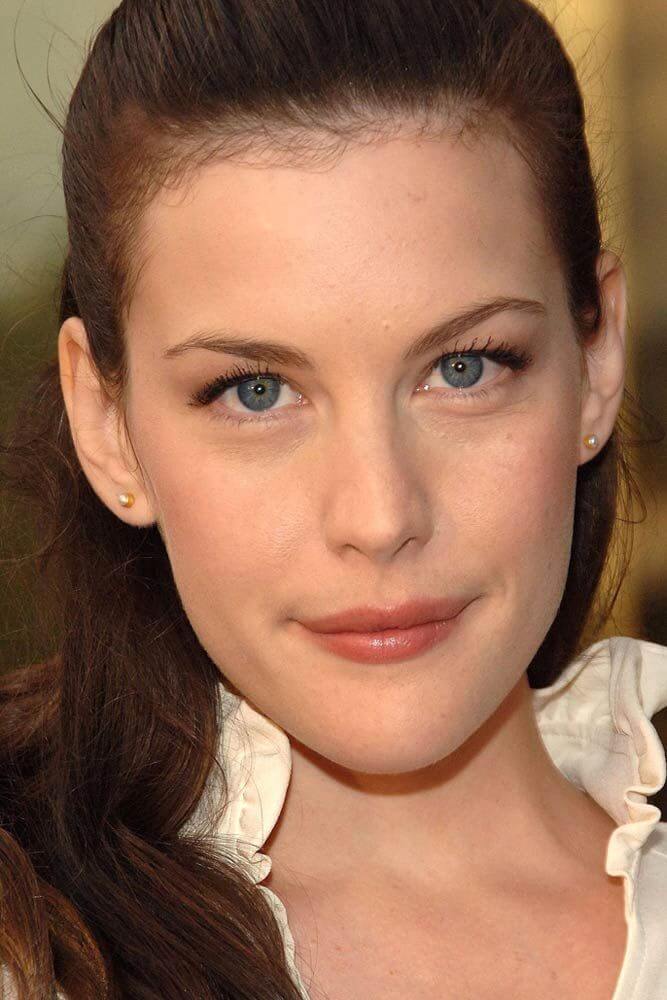
- Characteristics: Face is significantly longer than it is wide; similar to square but elongated.
- Hairstyles: Waves, curls, and volume at the sides (cheek level). Curtain bangs are excellent for shortening the face.
- Glasses: Oversized frames and tall frames (like pilot style) that cover more of the face's center.
- Makeup: Contour the top of the hairline and the bottom of the chin to "cap" the length. Apply blush horizontally across cheeks to create width.
Step 3: Finding the Perfect Look Effortlessly with AI Tool
Stop guessing and start styling with YouCam Face Shape Detector. This AI-powered tool instantly analyzes facial features to create a personalized face profile, powering real-time Makeup Virtual Try-On and Glasses Virtual Try-On experiences.
Haircut Filter
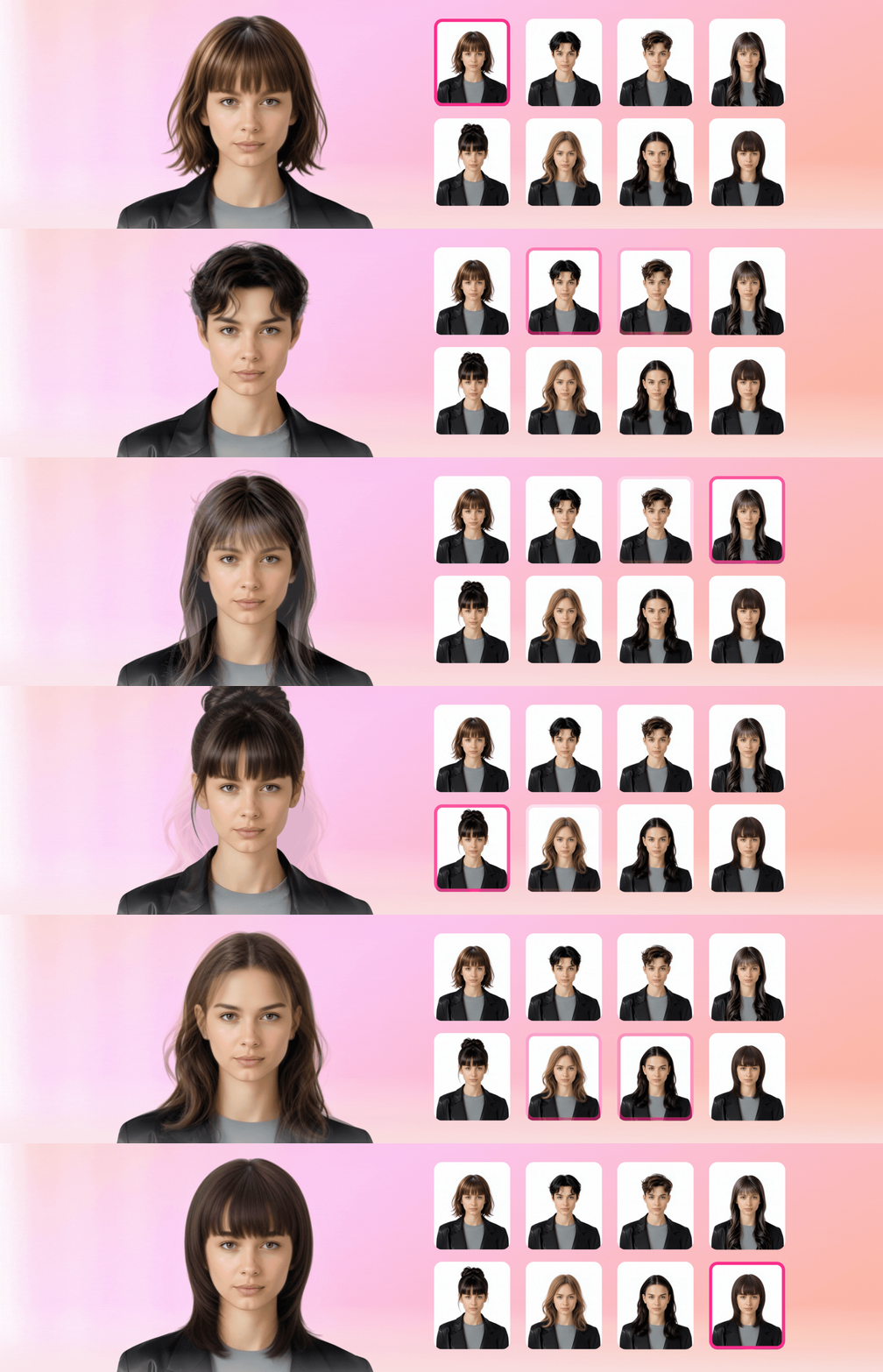
Haircut Filter generates hyper-realistic hairstyle visualizations that adapt to your unique face shape and skin tone.
Users can experiment with varied textures, lengths, and colors, from bangs to bobs, providing a risk-free way to visualize a new cut before committing to the salon chair.
Makeup Virtual Try On
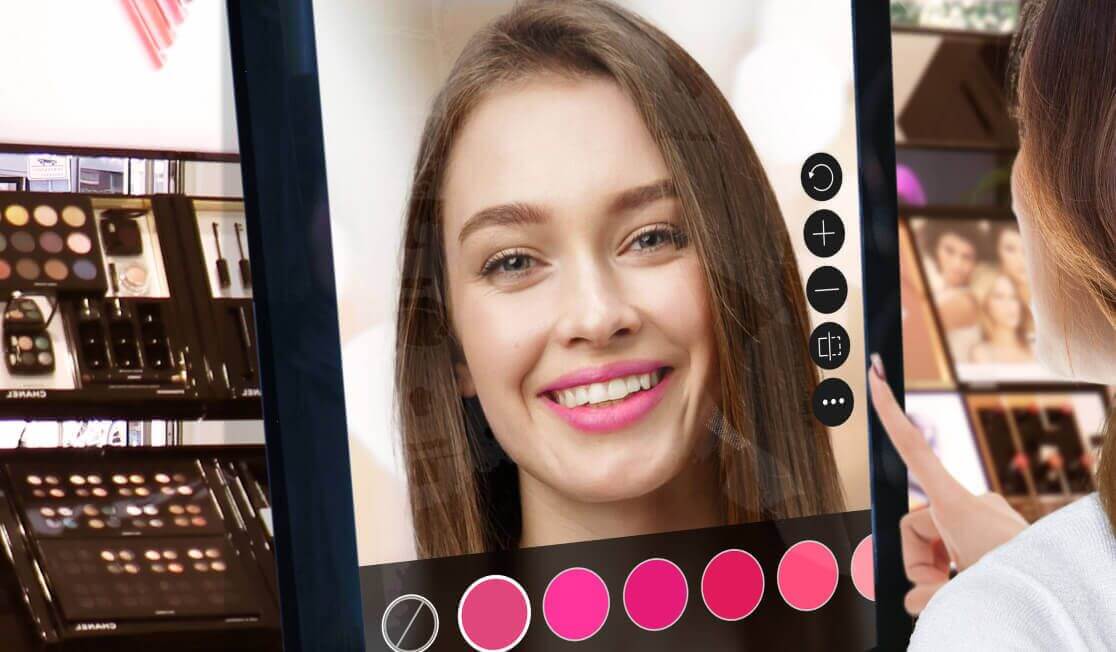
Makeup Try On deliver jitter-free, real-time makeup application.
It also supports highly accurate texture rendering, including matte, satin, and shimmer finishes, across categories like lipstick, eyeshadow, and foundation for a true-to-life "try before you buy" experience.
AR Eyewear
Featuring automated Pupillary Distance (PD) detection, this tool ensures a precise, true-to-scale fit for every user, effectively replacing the physical fitting room.
Shoppers can instantly visualize thousands of frame styles with customizable options for lens tint, frame color, and reflections, all rendered in high-definition 3D.
For Beauty Brands and Retailers
Women's face-shape styling content converts differently at the point of sale than it does as a read-at-home guide. A cosmetics brand, hair salon, or eyewear retailer needs a way to turn "this is your face shape" into a specific product recommendation a shopper can act on immediately, whether that's a frame style, a contour routine, or a haircut to book.
Embedding AI face shape detection directly into a product page, virtual try-on flow, or in-store kiosk lets shoppers get a personalized recommendation in seconds instead of guessing, which is exactly what the Haircut Filter, Makeup Try On, and AR Eyewear tools above are built to do at scale.
If you run a beauty brand, salon chain, or eyewear business and want to explore adding this to your own site or app, get in touch with our sales team to talk through what that would look like for your business.
Conclusion
There is no "perfect" shape, only the perfect styling strategy. By understanding the geometry of women's face shapes, and AI online tool, everyone can make smarter decisions about hair, accessories, and makeup that enhance natural beauty rather than fighting against it.
Face Shapes Women FAQ
What is the most flattering face shape for women?
There's no single "most flattering" shape — every shape (oval, round, square, heart, diamond, oblong) has hairstyles, glasses, and makeup techniques that work with it. Oval is often called the most versatile because most styles suit it without adjustment, but the right styling makes any shape look balanced.
How can I find my face shape accurately at home?
Pull your hair back, face a mirror or camera straight-on in even lighting, and either trace your outline with lipstick on the mirror or use an AI face shape detector, which measures your forehead, cheekbone, and jawline width against your face length for a faster, more consistent result.
What hairstyle is best for a round face shape?
Long layers, textured lobs, or a high ponytail add height and create the illusion of length, which balances the fuller, more equal width-to-length proportions of a round face.
What glasses suit a heart-shaped face?
Bottom-heavy frames like aviators, or light-colored frames, help widen the lower half of the face to balance a heart shape's wider forehead and narrower chin.
Can my face shape change over time?
Bone structure is largely set by adulthood, but factors like weight change, aging, and muscle tone can subtly shift how a face shape reads. A face shape detector re-scan periodically is the easiest way to check if your styling still matches your current proportions.