 Author: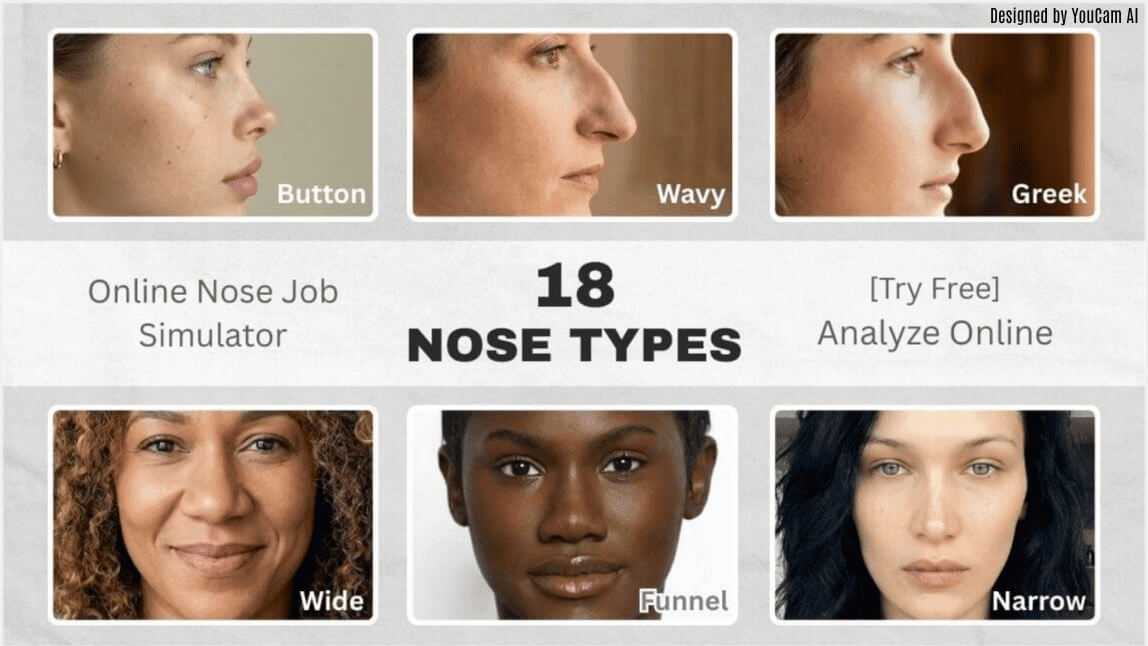
In this comprehensive guide, we’ll help you determine what type of nose you have through a step-by-step self-assessment, break down 18 common nose shapes, and introduce our clinical-grade online nose reshaping simulator. Additionally, we explore how aesthetic clinics leverage diagnostic AI to align visual expectations and streamline patient consultations.
💡 Clinical-Grade Diagnostic Technology: Perfect Corp.’s facial skin analysis technology is trusted by leading medical aesthetics practices—including AIREM Modern Beauty Rituals, founded by dual board-certified facial plastic surgeon Dr. Eunice Park—to deliver accurate, data-driven facial proportions and visual alignment before cosmetic procedures.
| Table of Contents |
|---|
How to Identify What Type of Nose You Have (Self-Assessment Guide)
If you're asking, "What type of nose do I have?", aesthetic specialists and facial plastic surgeons evaluate nose structure using three primary vantage points:
Step 1: Check Your Profile Line (Bridge & Radix)

Stand sideways to a mirror or take a side-profile selfie. Is your nasal bridge straight, indented, or arched with a dorsal hump? A pronounced outward hump often indicates a Roman or Aquiline nose, a depression suggests a Concave or Saddle nose, while a seamless plane running high from the brow bone characterizes a Greek nose.
Step 2: Inspect Your Tip Angle & Projection
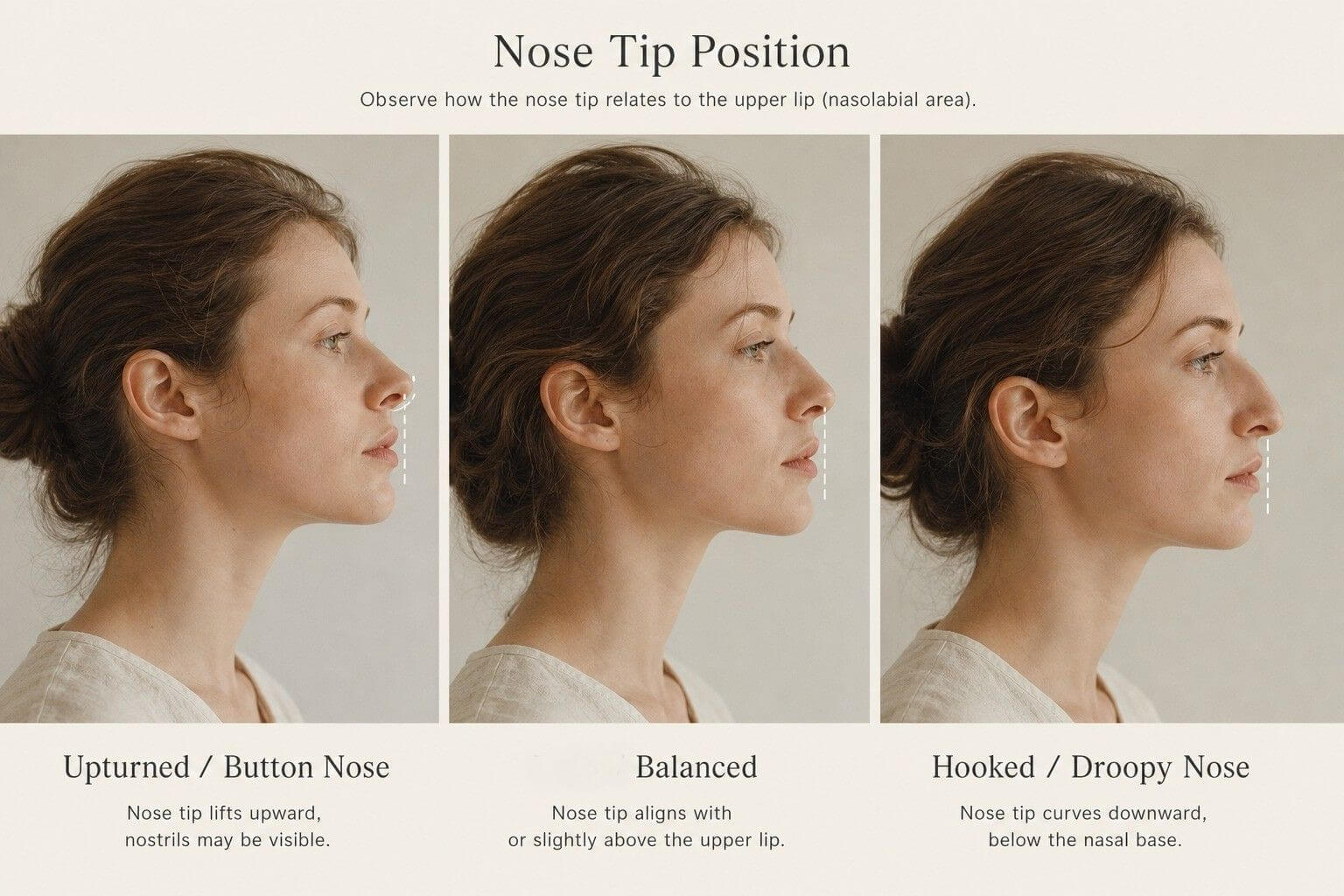
Observe where your nasal tip points relative to your upper lip. If the tip tilts distinctly upward revealing the nostrils, you likely have an Upturned or Button nose. If the tip dips downward past the base, it falls under a Hooked or drooping category.
Step 3: Measure Frontal Symmetry & Base Width
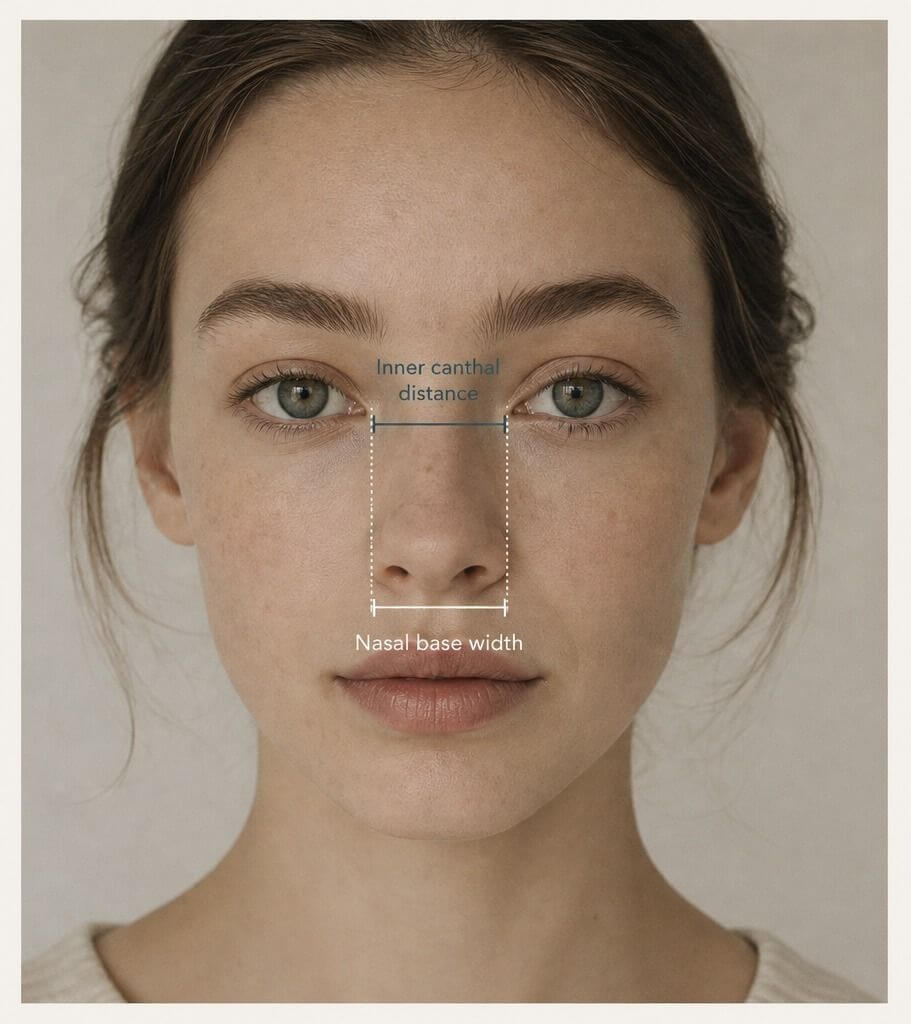
Facing forward, compare the width of your nasal base (nostril flare) to the distance between your inner eyes (intercanthal distance). If the alar base extends past the inner eye corners, it qualifies as a Wide or Fleshy nose; if significantly narrower, it is a Narrow nose.
Want immediate, millimeter-accurate assessment without manual guesswork? Try our interactive diagnostic tools below to evaluate your nasal symmetry and profile angles in real time.
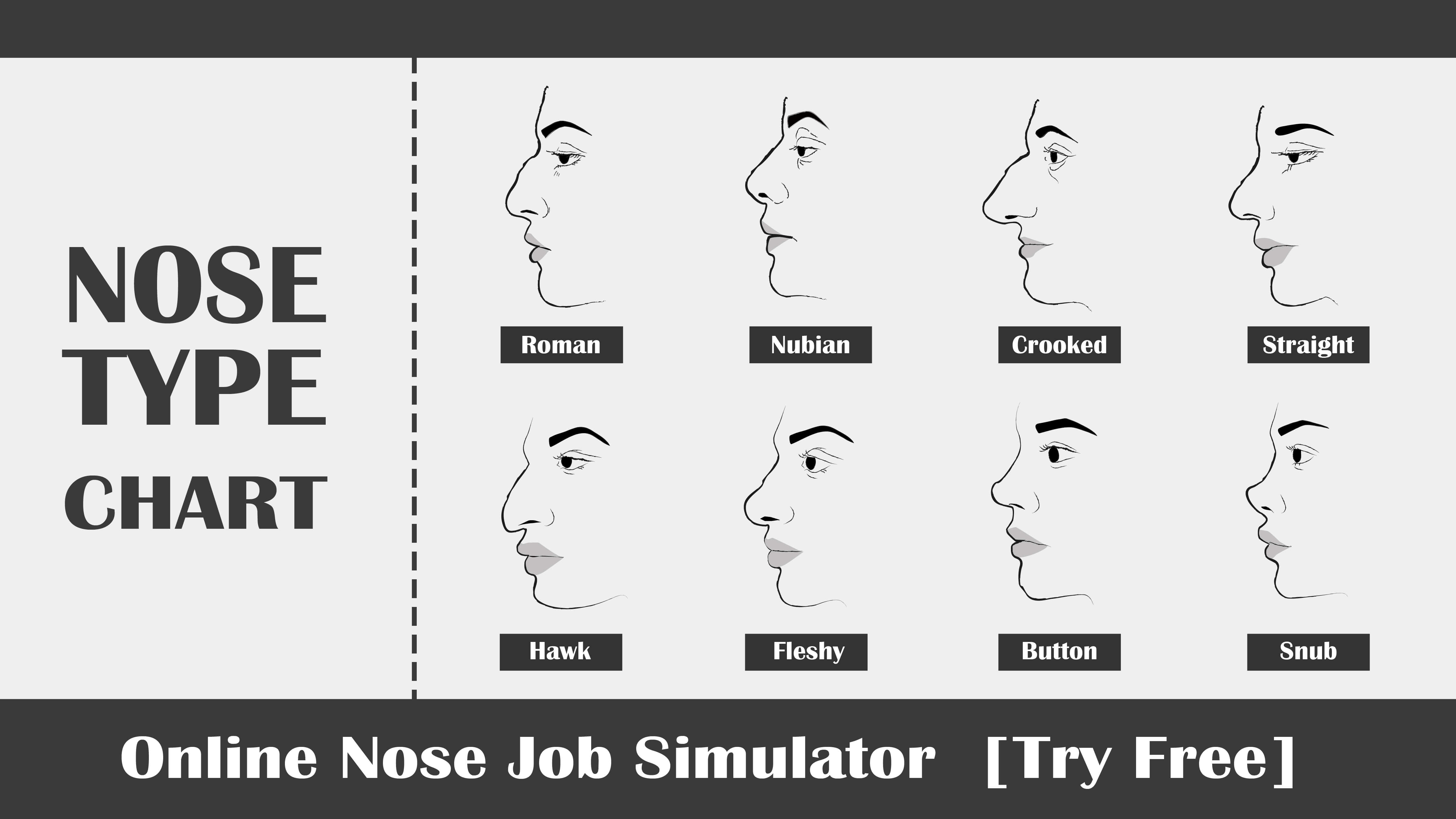
Common Types of Nose Shapes
Roman Nose

The Roman nose is characterized by a prominent and high nose bridge that curves slightly forward, forming a distinctive dorsal hump. This nose shape creates a commanding and sculpted profile, historically associated with leadership and classic Roman sculpture aesthetics.
Greek Nose

The Greek nose, also known as the straight or classical nose, is characterized by a high radix (nasal root) that transitions smoothly into the forehead with minimal indentation. Known for its presence in classical statues, it forms an exceptionally straight and balanced nasal bridge.
Hooked Nose
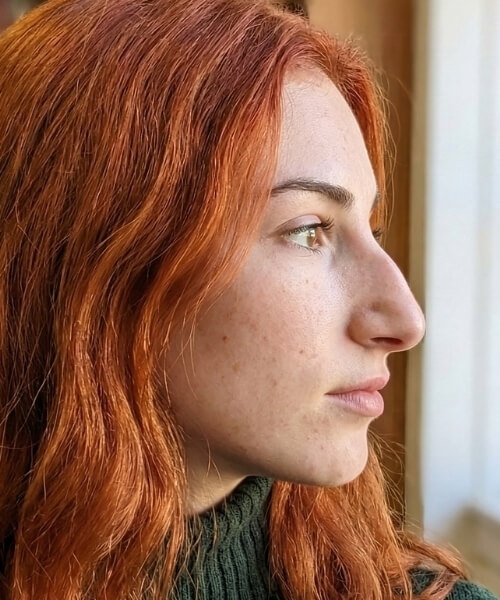
A hooked nose features a sharp, downward-pointing nasal tip accompanied by a prominent dorsal arch. This contour creates a pronounced profile angle that draws attention to the center of the face, often addressed in aesthetic clinics using tip rotation procedures.
Fleshy Nose
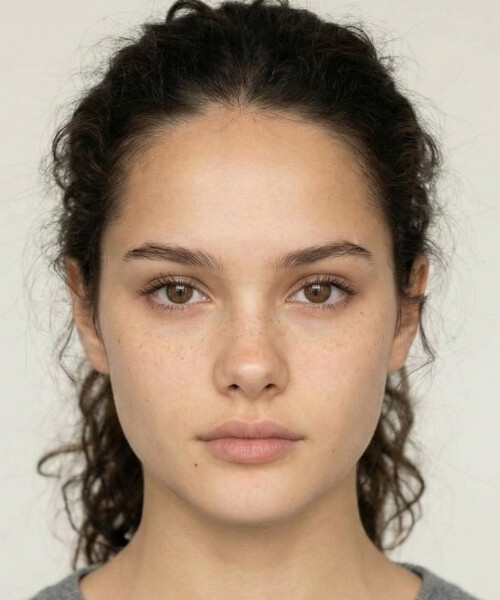
The fleshy nose is one of the most common shapes worldwide. It features a bulbous, rounded nasal tip with thicker sebaceous skin and larger lateral cartilage. This structure creates a soft, friendly facial aesthetic rather than an angular silhouette.
Upturned Nose
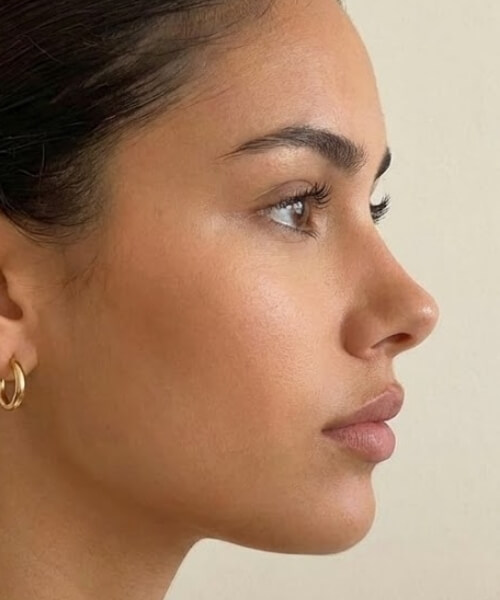
An upturned nose (often called a celestial or retroussé nose) features a slight upward rotation of the nasal tip, presenting a nasolabial angle typically greater than 100 degrees. This provides a youthful, cheerful look and is one of the most requested aesthetic enhancements in profile harmonization.
Button Nose
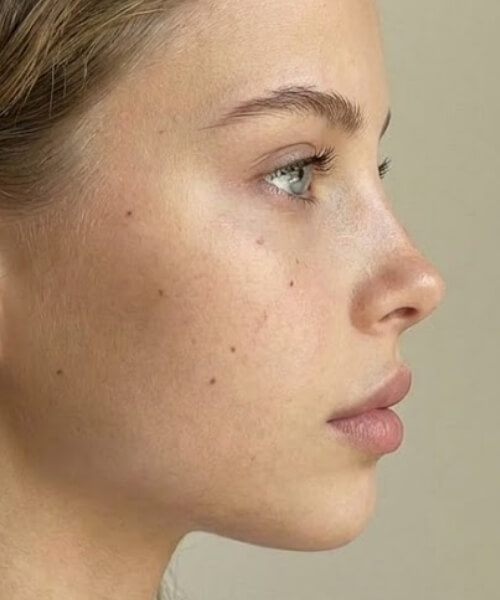
The button nose is petite, symmetrical, and rounded with a short bridge and subtle upward curve. Because of its compact scale, it fits harmoniously with softer facial structures and smaller jawlines.
Aquiline Nose
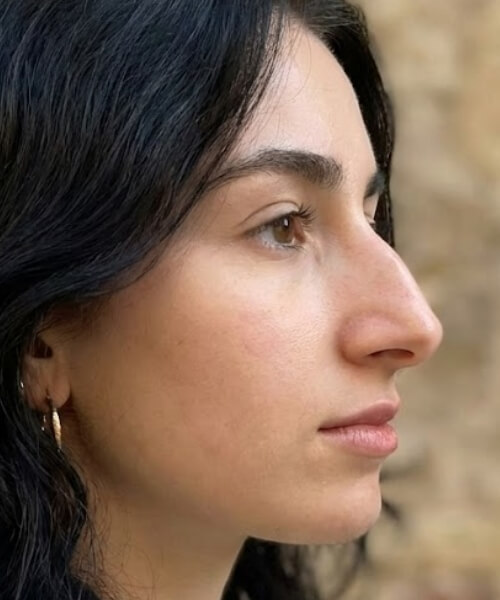
Named after the Latin word for eagle (aquila), the aquiline nose has a prominent curved dorsum resembling an eagle's beak. Unlike a simple hooked nose, the arch starts higher on the nasal bone, providing an elongated, regal look.
Snub Nose

Characterized by a shorter bridge and slightly upturned tip, the snub nose has a flatter profile than a button nose, with nostrils that are more visible from a frontal view. It lends a youthful and approachable expression.
Straight Nose
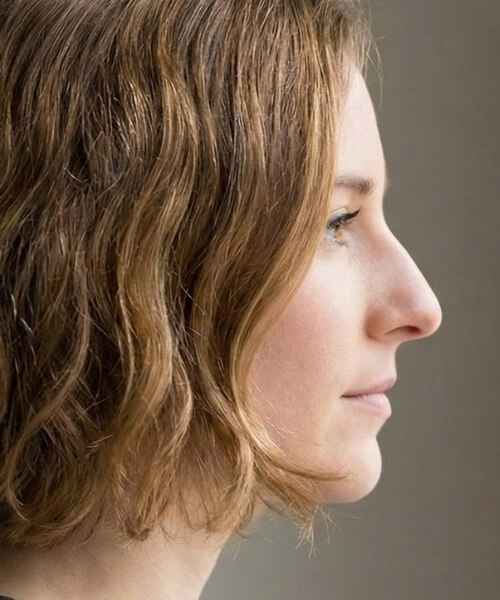
A straight nose features a clean, continuous line along the nasal dorsum from root to tip. Lacking bumps, humps, or dips, it creates near-perfect optical balance and complements almost any facial shape.
Wide Nose

A wide nose has an expanded nasal bridge and a broader flare across the alar base. This feature is common across many diverse ethnicities and is often defined by resilient, flexible cartilage structure.
Narrow Nose
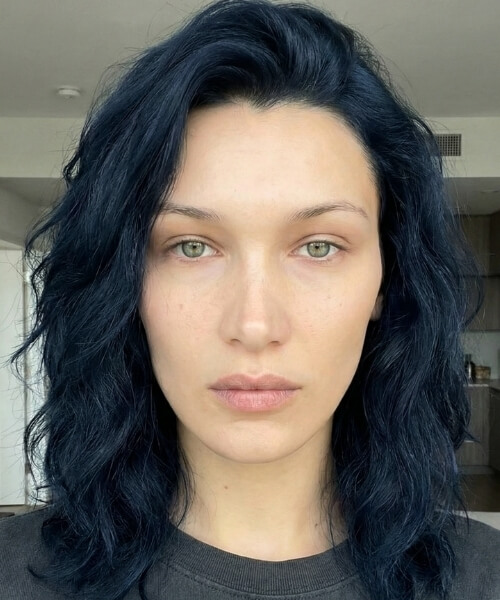
With an exceptionally slim bridge and compact nostrils, a narrow nose emphasizes sharp vertical lines on the face. In aesthetic assessment, clinicians monitor narrow nasal vaults to ensure optimal internal airway patency.
Bumpy Nose
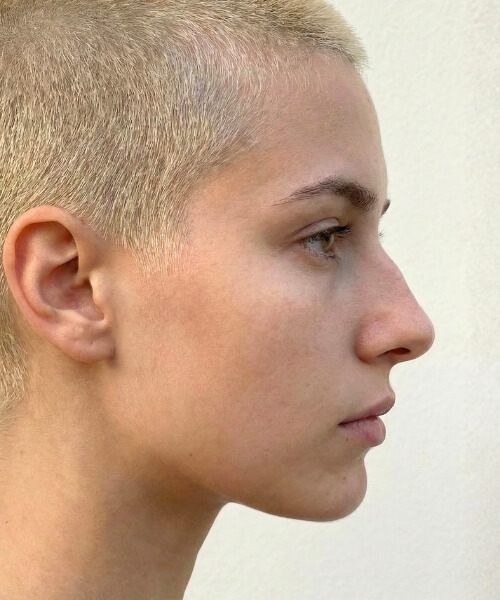
Identified by subtle or noticeable ridges along the dorsal surface, a bumpy nose usually stems from genetic cartilage growth patterns or prior healed micro-traumas, providing distinct individuality to the profile.
Concave Nose

Featuring an inward curve along the midpoint of the bridge, a concave nose creates a scooping effect leading up to the tip. This curvature softens facial angles and gives the eyes and cheekbones greater visual prominence.
Wavy Nose
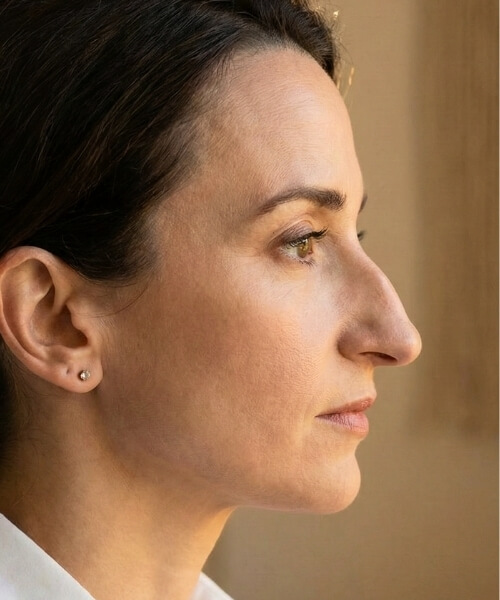
A wavy nose displays slight asymmetrical undulations along the nasal bone and cartilage when viewed from the front, reflecting unique natural contouring and facial character.
C-Shaped Nose

Seen primarily from the front, a C-shaped nose curves laterally to one side and returns toward the center, often associated with a mild deviation in the nasal septum.
S-Shaped Nose

Displaying dual opposing curves along the midline, the S-shaped nose presents a dynamic contour that often involves both upper bony and lower cartilaginous structures.
I-Shaped Nose

Uniformly narrow and straight from root to tip, the I-shaped nose creates a clean vertical dividing line that complements slender facial profiles.
Funnel Nose
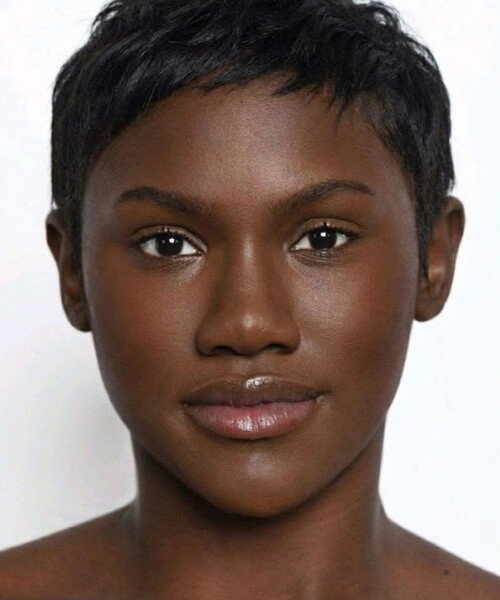
A funnel nose starts with a very compact, tight upper bridge that tapers outwards toward a broader base, creating an inverted triangular silhouette.
How to Use the Online Nose Job Simulator
Step 1: Enable Your Camera

Open your device camera or upload a clear frontal/profile photo to initiate the AI facial assessment.
Step 2: Select Nose & How You'd Like to Simulate

Select specific target zones (bridge height, tip rotation, or alar width) and customize the simulation intensity slider.
Step 3: See Before & After Result

Compare your real-time adjustments side-by-side. This instant visual feedback allows both patients and aesthetic practitioners to establish precise expectations before consultations.
Surgical Options for Different Nose Types
For Large Noses
Reduction rhinoplasty refines disproportionate cartilage frameworks, lowers prominent humps, and narrows base width for structural balance.
For Flat Noses
Augmentation rhinoplasty utilizes autologous cartilage grafts or biocompatible implants to build dorsal height and project the nasal tip.
Finding the Right Approach
Using advanced 3D AR simulators prior to consultation empowers patients to articulate goals clearly with their facial plastic surgeon or aesthetic practitioner.
How Clinics Use Online Nose Simulators
A Communication Tool
Aesthetic clinics integrate real-time 3D simulators during consultations to reduce communication gaps and align patient goals with realistic outcomes.
Combined with Skin Analysis
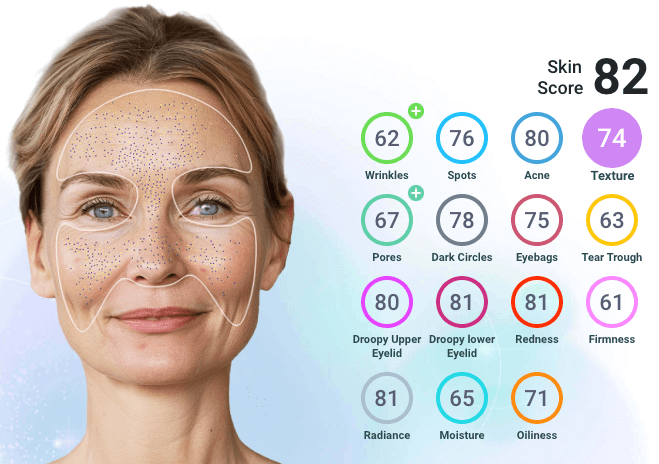
Medical spas and plastic surgery practices combine facial reshaping simulations with diagnostic skin analysis for comprehensive facial evaluations.
Free Trial Available
Try our free online nose simulator today—no appointments needed.
Want more insight? Explore our AI Skin Analysis for clinics and brands to elevate your consultation strategy.
What Makes a Nose Look Attractive?
Facial beauty is personal. When it comes to the nose, attractiveness often comes down to how well it works with the rest of the face rather than its shape alone.
Key elements commonly associated with an aesthetically pleasing nose include:
Symmetry: A balanced left–right structure is one of the strongest universal “beauty cues.” Minor asymmetry is normal.
Tip rotation & projection: A gently lifted nasal tip is associated with youthfulness. Studies suggest ideal nasofacial angles differ by gender, but the principle remains—balanced tip rotation softens the entire face.
Profile smoothness: Straight or slightly concave profiles are often viewed as more refined.
Using AI analysis—like the measurements available in the AI Face Analyzer—brands can assess ratios and facial balance instantly, giving users a data-driven understanding of their own nasal proportions.
How Nose Structure Affects Breathing
Aesthetic concerns and functional concerns often overlap. The internal anatomy of the nose—septum, turbinates, and nasal valves—plays a critical role in airflow quality.
When any of these areas are narrowed or deviated, people may experience:
Nasal obstruction
Snoring or mouth breathing
Dryness
Sleep disturbance
Certain nose shapes are more prone to breathing difficulty. Narrow bridges may collapse inward during inhalation, while low bridges can disrupt smooth airflow. A deviated septum, regardless of outward appearance, can significantly reduce breathing efficiency.
This is why specialists often evaluate both appearance and function together. In many cases, addressing structural issues enhances both breathing and aesthetics, leading to a more comfortable and confident daily experience.
How the Nose Changes With Age
Just like skin and bone structure, the nose evolves over time. Cartilage support weakens, skin thickens, and the tip gradually shifts downward, creating a heavier or more aged appearance.
Common age-related changes include:
Drooping nasal tip
Less defined bridge due to bone resorption
Widening of the lower nose from cartilage weakening
Different nose types age differently—for example, aquiline noses may appear sharper over the years, while upturned noses often lose rotation.
Combined with AI analysis, brands can help consumers understand how shape, proportion, and aging interact—opening opportunities for education, virtual consultations, and personalized recommendations.