Author: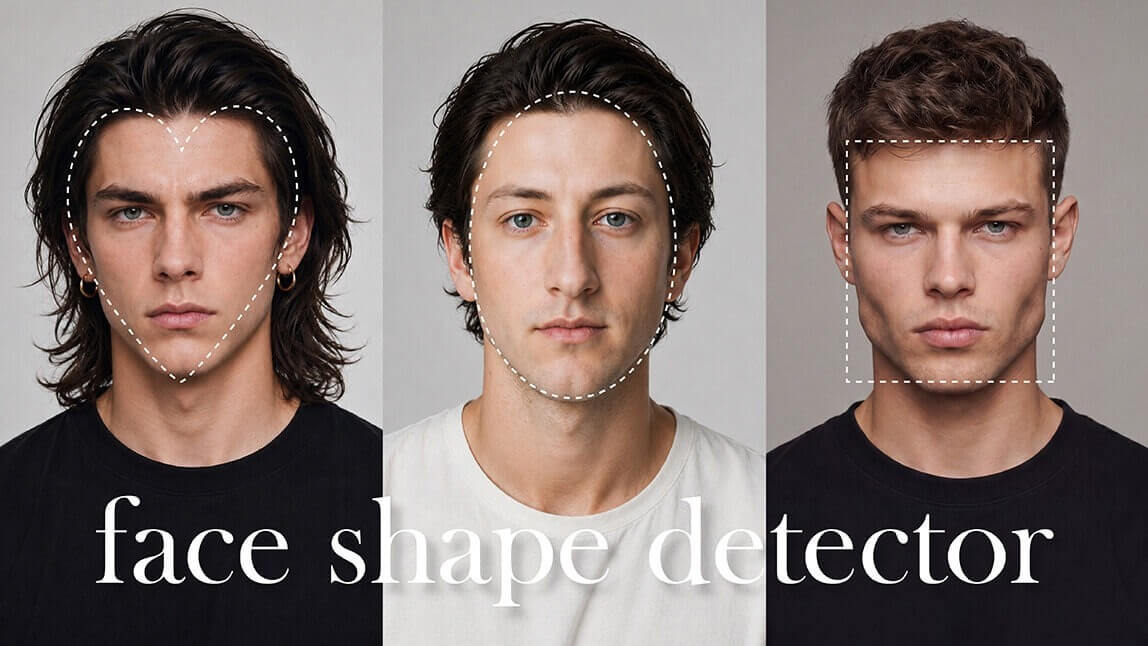
Some images in this article may be AI-generated and are used for illustrative purposes only.
An AI face shape detector uses computer vision to assess visible facial proportions in a customer-provided image and compare those patterns with common face-shape categories. For a consumer-facing quiz, category overview, and styling guidance, visit our face shape test guide .
This guide looks behind the result. It explains the three-stage pipeline that turns an image into a face-shape assessment, why different tools may produce different outputs, and what businesses should consider when designing a responsible experience.
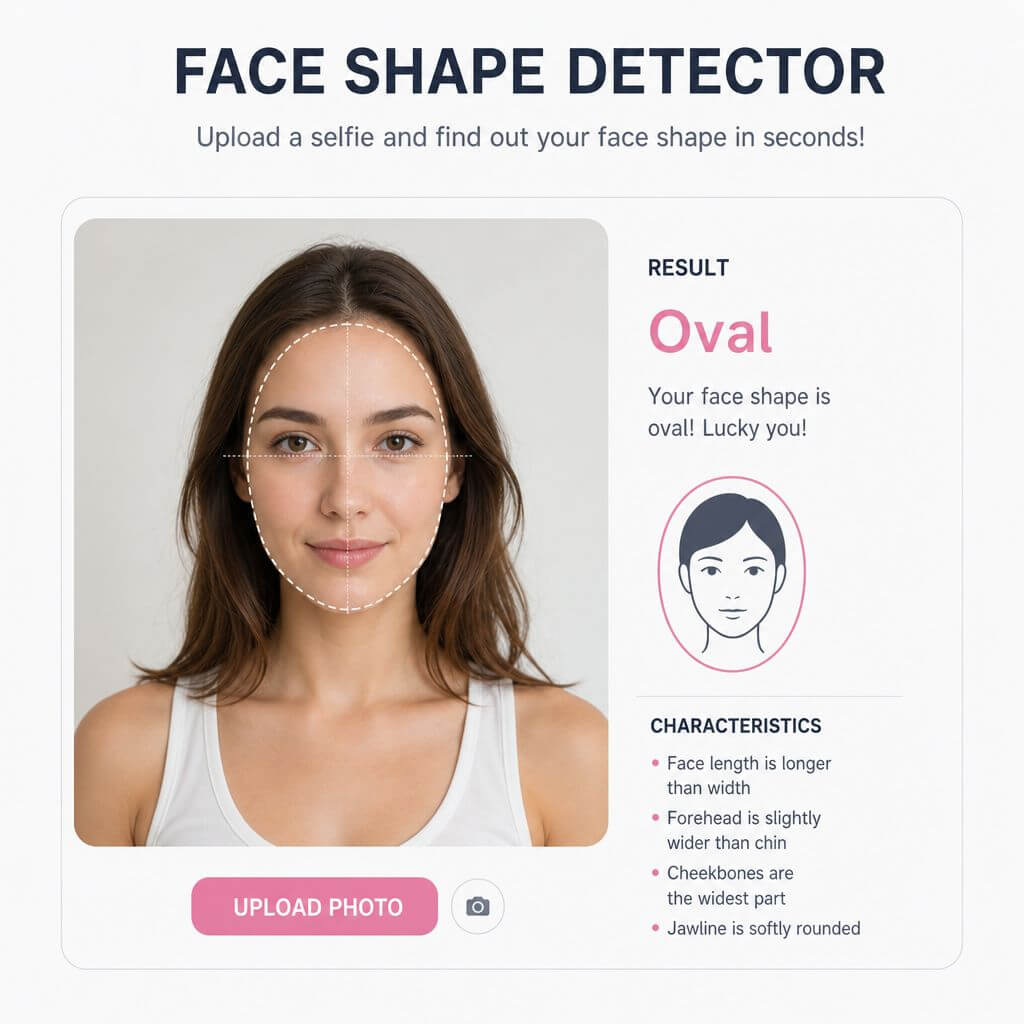
The 3-Stage AI Face Shape Detection Pipeline
Most photo-based face-shape tools use a similar high-level sequence. The implementation can differ between providers, but the purpose of each stage remains the same: prepare the image, assess visible facial reference areas, and compare proportion patterns with defined categories.
1. Image Intake and Quality Checks
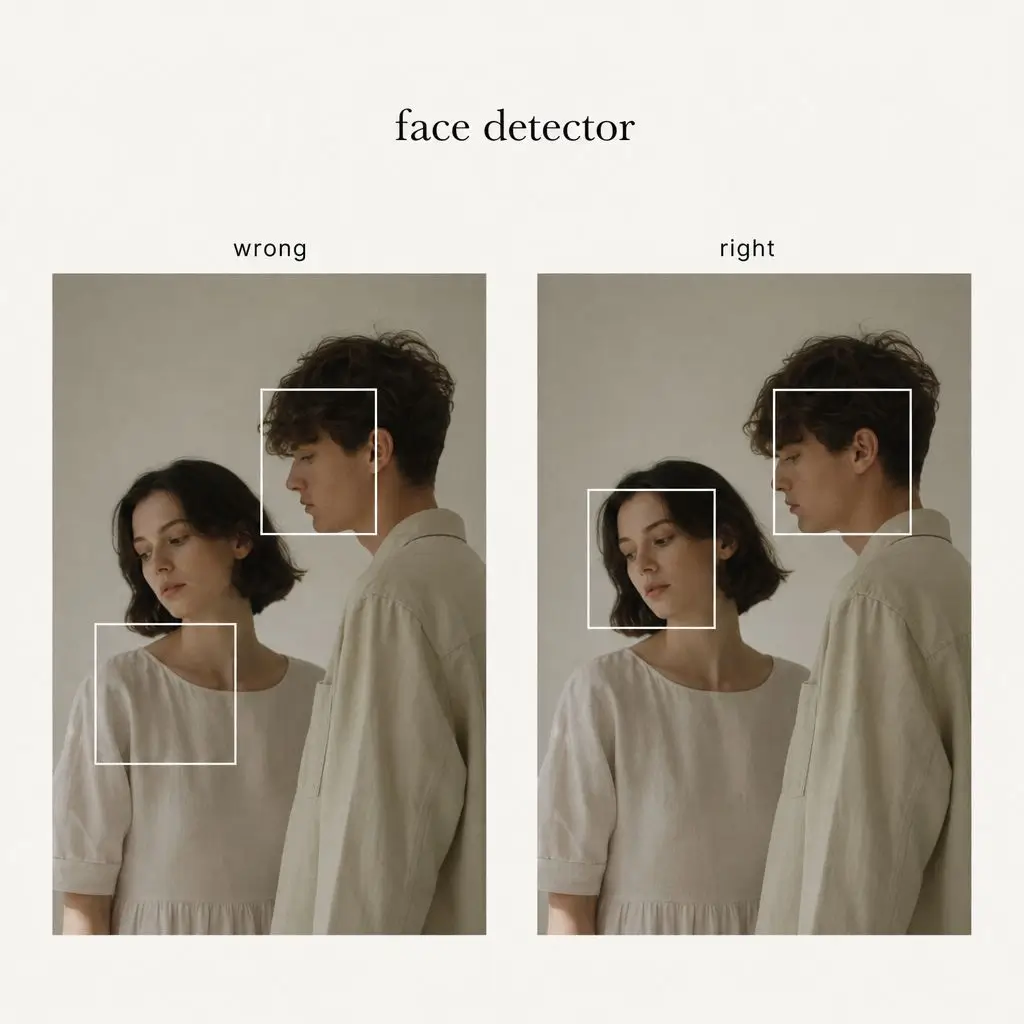
The system receives a customer-provided photo or camera image and evaluates whether it is usable for analysis. A clear, front-facing image with even lighting generally gives the system a better view of the hairline, cheek area, jawline, and facial outline.
Image quality checks may account for factors such as blur, extreme angle, shadows, hair coverage, filters, and facial expression. A responsible experience should guide the user to retake an unsuitable image instead of presenting a result with false certainty.
2. Visible Feature and Proportion Assessment
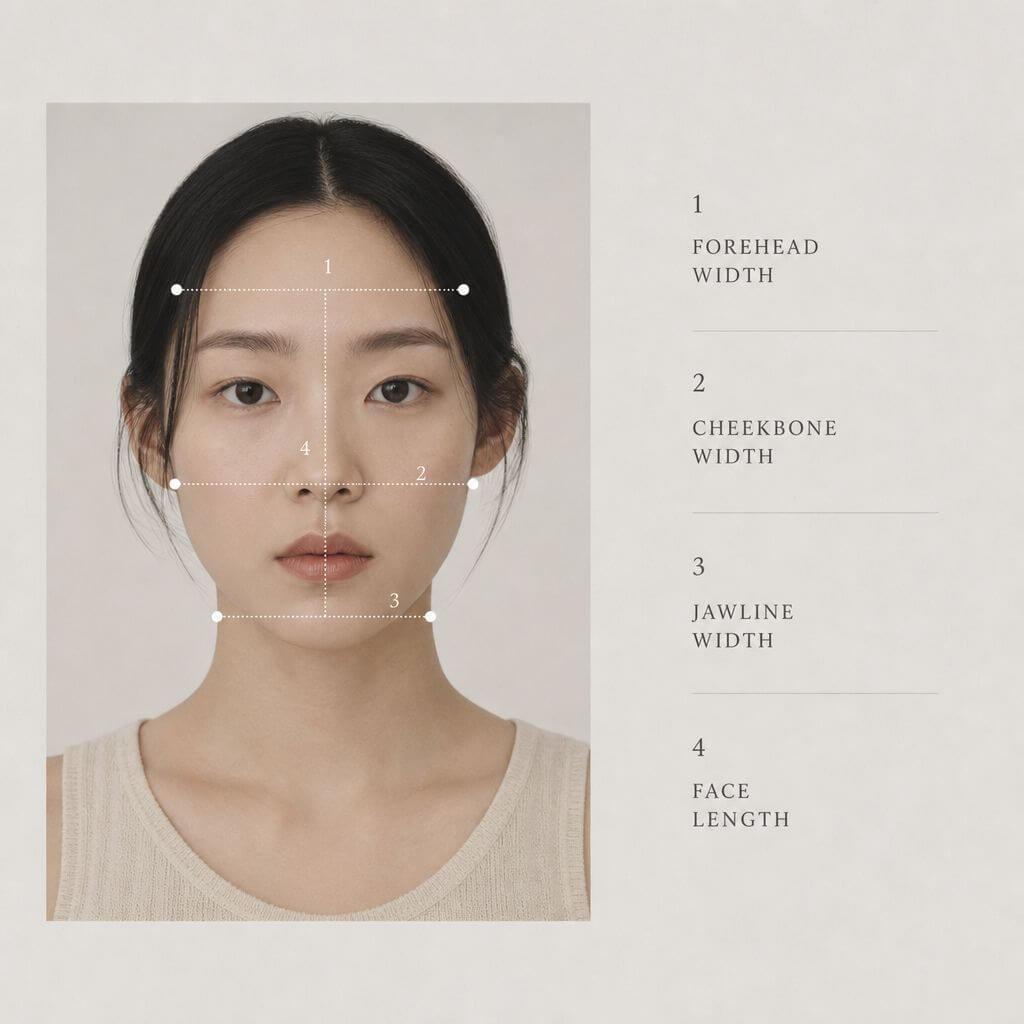
The system assesses visible reference areas and their relationships, including the relative width of the forehead, cheekbones, and jawline, as well as overall face length. It uses these relationships to build a proportion pattern from the image.
This is facial-attribute analysis, not identity matching. The goal is to assess visible structure for a style, product-discovery, or virtual try-on experience—not to determine who a person is.
3. Category Comparison and Results
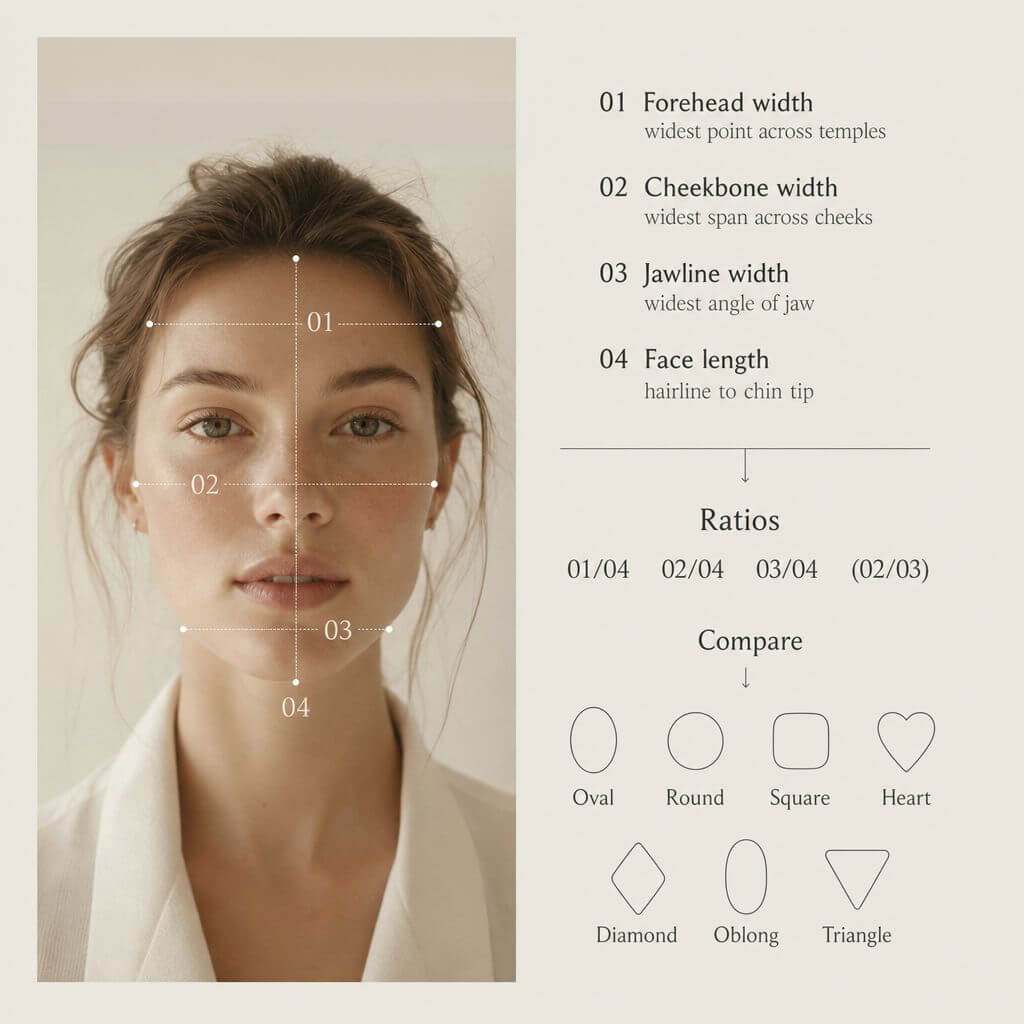
The proportion pattern is compared with the category framework used by the tool. The output may present a primary face-shape category or a set of related visual attributes. Because face-shape categories are broad references, many people share characteristics across more than one group.
Product teams should present results as an optional starting point for exploration—not as a fixed label, beauty score, or instruction about what someone should change.
Why Face Shape Detector Results Can Vary
Two tools can return different results from the same image because they may use different category definitions, image-quality requirements, reference-area models, or training data. Results can also vary when the photo changes.

- Photo conditions: Lighting, camera angle, distance, hair coverage, expression, and filters can change what is visible in an image.
- Category overlap: A face can share traits with more than one category, especially around the jawline and cheekbones.
- Model design: Tools may define reference areas, proportion thresholds, and output categories differently.
- Representation: A model should be evaluated across a broad range of faces and real-world image conditions.
This is why a clear photo and careful result design matter. The most useful output explains what is being assessed and helps a customer continue to explore styles, products, or virtual try-on options.
Privacy and Architecture Considerations
Before using any photo-based analysis experience, customers should be able to understand why an image is requested, how it is processed, whether it is retained, and what choices they have. Businesses should align implementation and communications with their privacy, security, and legal requirements.
Whether an experience processes images on a device, through a server, or through a combination of both depends on the product architecture. The important point is transparency: brands should clearly explain the data flow and avoid language that suggests identity matching when the experience is designed for visible-attribute analysis.
How Businesses Use Face Shape Detection
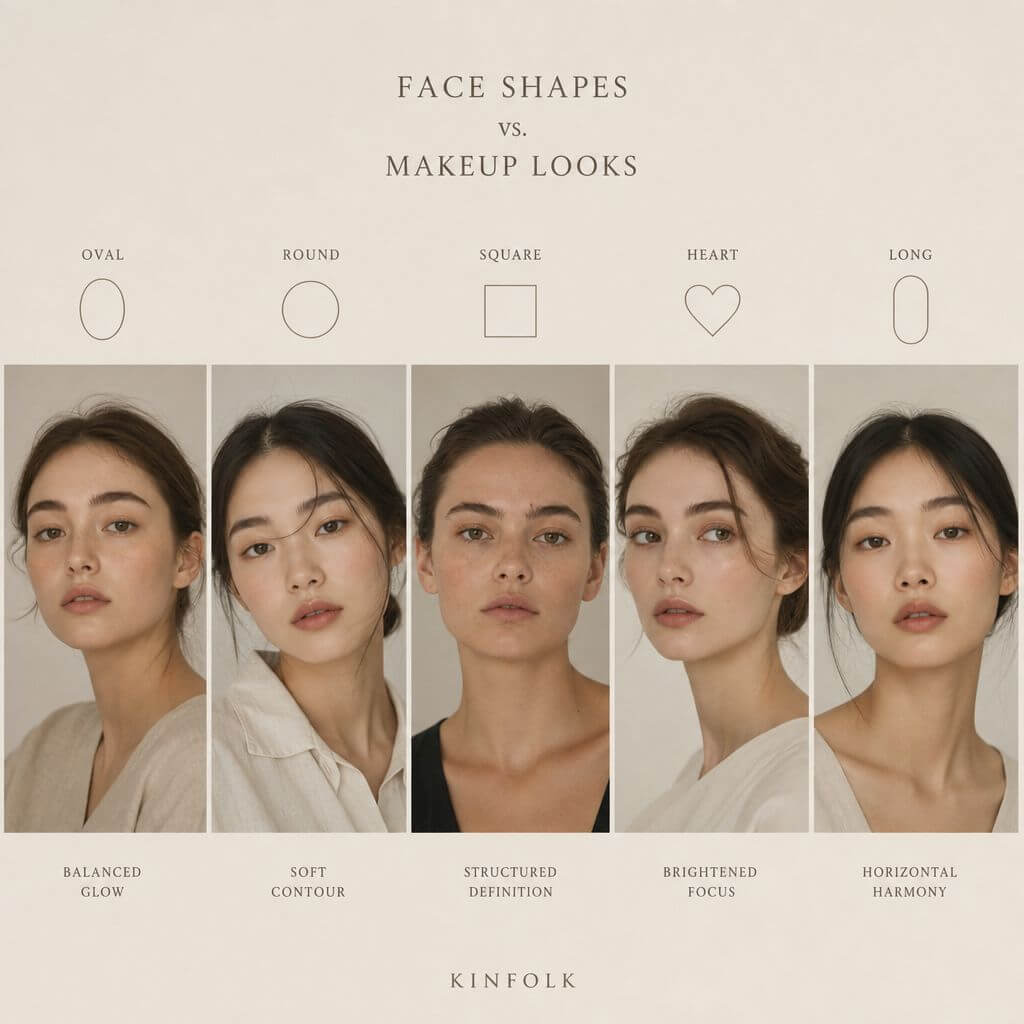
Face-shape insights can support guided discovery across beauty, hair, eyewear, and accessories. A retailer may connect visible proportions to frame exploration, a salon can use hairstyle preview as part of a consultation, and a makeup brand can offer optional technique or look inspiration.
The best experiences combine visible-attribute insights with the customer’s stated preferences and the ability to compare options through virtual try-on. Businesses should keep human choice at the center of the journey.
Explore Perfect Corp.’s AI API platform to learn how face analysis and virtual try-on can be incorporated into web, mobile, or in-store experiences.
Choosing a Face Shape Detection Solution
For businesses, evaluating a detector is not only a question of whether it returns a category. A strong implementation should support a clear customer purpose, responsible photo handling, useful outputs, and a workflow that fits the brand’s channels.
- Purpose: Define whether the experience supports style discovery, product recommendations, virtual try-on, or consultation.
- Image guidance: Help customers provide a usable photo and allow them to retry when conditions are not suitable.
- Output design: Use non-judgmental language and avoid attractiveness ratings or prescriptive “ideal” standards.
- Privacy: Communicate image processing, retention, and user choices clearly.
- Testing: Evaluate performance across diverse users, devices, and real-world image conditions.
- Integration: Consider the APIs, SDKs, virtual try-on tools, analytics, and support needed for the intended deployment.
Face Shape Detector FAQs
How Does an AI Face Shape Detector Work?
A photo-based AI detector generally evaluates image quality, assesses visible facial proportions and feature relationships, and compares the resulting pattern with a face-shape category framework. For a quiz and broad category overview, see the face shape test guide .
Why Can Two Face Shape Detectors Give Different Results?
Different tools may use different category definitions, models, quality checks, and image requirements. Lighting, camera angle, hair coverage, expression, and the natural overlap between categories can also influence a photo-based result.
Is Face Shape Detection the Same as Facial Recognition?
No. Face-shape detection assesses visible proportions and feature relationships to support category-based style exploration. Facial recognition is designed to match a face to an identity.
What Should Businesses Consider Before Adding Face Shape Detection?
Businesses should define the customer benefit, provide clear consent and photo-use information, evaluate performance across diverse real-world conditions, design non-judgmental outputs, and ensure the technology fits their web, mobile, or in-store workflow.